Communication
BOMBANANA! communication strategies — build signals, callouts, gesture systems and banana-throwing techniques for bomb defusal.
Introduction
BOMBANANA! Communication is the invisible weapon your squad wields—or fails to wield—on every bomb. In a game where one player cannot see, one cannot speak, and one cannot hear, communication is not just helpful but absolutely essential. Yet communication is also the most common source of failure: players talk over each other, use vague descriptions, or skip confirmation entirely. This category teaches you the specific callout formats, signal systems, and coordination protocols that turn chaotic screaming into calm, precise information transfer. Master these techniques and your squad will defuse bombs that would explode for other teams.
Communication Strategies
| Signal Type | Use Case | Speed |
|---|---|---|
| Tap Code | Single-word answers urgently | Fast |
| Banana Throw | Indicate current speaker | Medium |
| Written Chat | Complex instructions | Slow |
| Gesture Library | Common module responses | Fast |
Communication Cards
Post-Death Intel Relay
After a death, quickly relay all critical bomb information to your living teammates using abbreviated callouts and priority-based communication protocols.
Number Signals — Counting and Timing Codes
Use numbered sequences to communicate module progress, countdown timers, and team status. Effective for short-range communication when verbal cues need to be concise and unambiguous.
Status Signals — Quick Confirmations and Alerts
Short, repeatable signals for common situations: module complete, need help, enemy spawned, safe to reset. Essential for maintaining team awareness without breaking concentration on active tasks.
Core Mechanics
Effective BOMBANANA! communication follows a strict protocol: callout, confirmation, action, acknowledgment. The Blind player calls out what they see using standardized format: "[Module] [Position] [Color/Type] [Action]." For example, "Wire module, top-left, red, cut" instead of "that red wire up there." The Mute player confirms by reading back the manual rule: "Serial number ends in odd, red wire, cut confirmed." The Deaf player acknowledges with a physical signal—thumbs up—before executing the action. Any break in this chain requires immediate restart. Silence is golden during the action phase: no one speaks while wires are being cut except to call a strike or abort.
Advantages
Mastering BOMBANANA! communication gives your squad four distinct advantages. First, standardized callouts reduce decision time by eliminating ambiguity—what would take 10 seconds of clarification takes 2 seconds with a shared format. Second, confirmation protocols catch errors before they become strikes: the Mute player catching a misread manual rule saves the bomb. Third, signal systems work even when voice chat fails: tap code, written chat, and physical gestures provide backup channels. Fourth, good communication creates psychological safety: players feel comfortable calling out mistakes rather than hiding them, which prevents the small errors that cascade into total failure. Long-term, these communication skills transfer to any cooperative game or real-world teamwork situation.
Challenges
Communication in BOMBANANA! faces three main challenges. First, the three-channel limitation is inherently constraining: with one player unable to see, one unable to speak, and one unable to hear, some information cannot be transferred at all. Second, time pressure creates communication shortcuts: under stress, players abandon proper callout formats and resort to vague descriptions or commands. Third, cultural and language differences affect signal interpretation: what "top-left" means varies by background, and some gestures have different meanings in different cultures. These challenges require deliberate practice to overcome. Use the practice mode to establish shared vocabulary before attempting timed defusals, and always prioritize clarity over speed when under pressure.
Frequently Asked Questions
What is the best approach for communication in BOMBANANA!?+
How do I improve at communication?+
Quick Tips
Establish a callout system before the bomb starts—agree on how to describe wire positions.
Use tap-code for urgent single-word answers: it works even when chat is too slow.
Banana-throwing conventions help Deaf Monkey track the current speaker without voice chat.
Build signals are faster than speech for common answers—develop a library of pre-agreed gestures.
When miscommunication happens, pause and re-describe from scratch rather than repeating the same words.
Featured
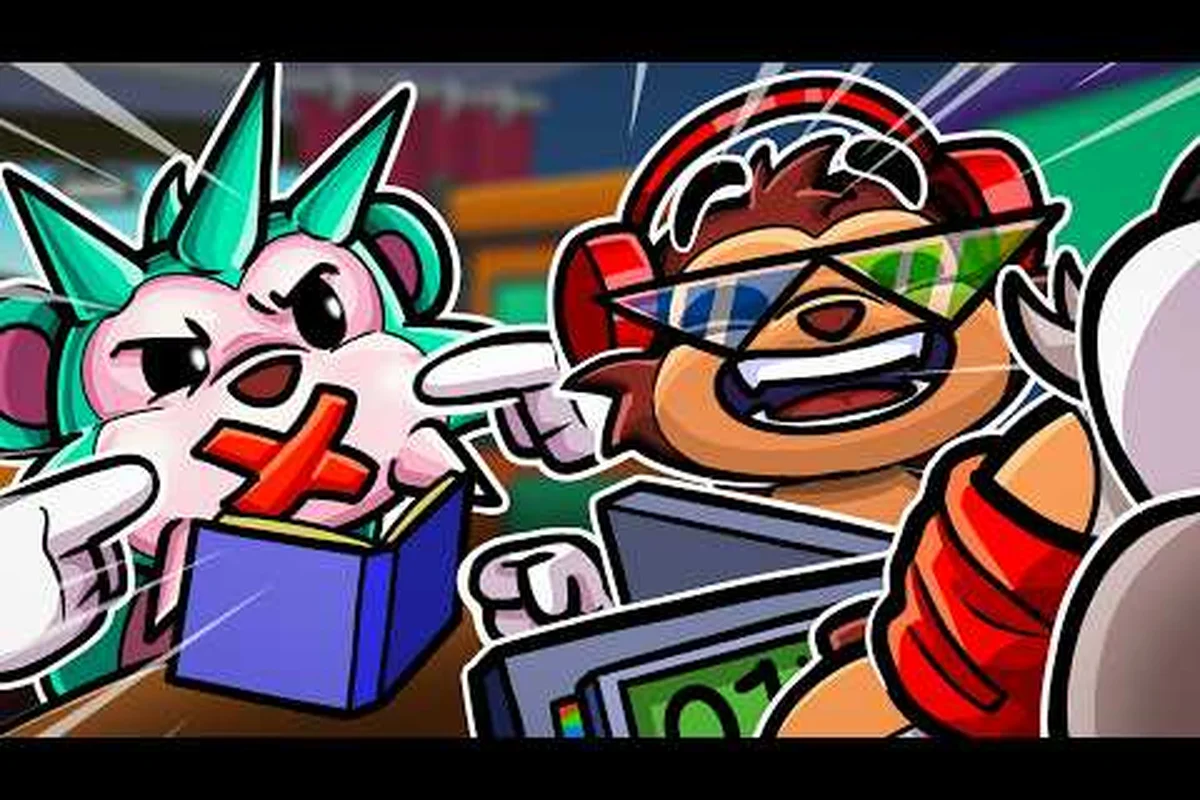
BOMBANANA! communication guide: talk, signal, and defuse
Build a flawless BOMBANANA communication guide with voice chat, gestures, and role-based callouts. Learn how the blind, deaf, and mute monkeys share info.
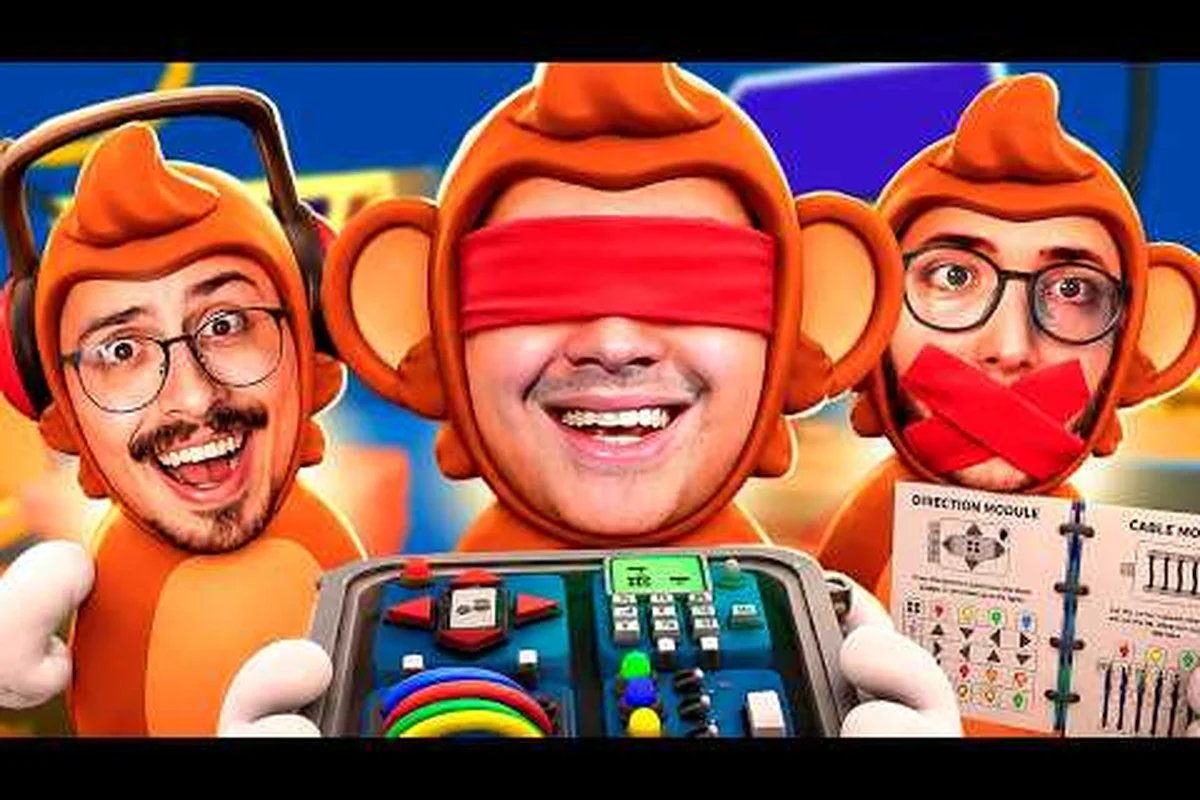
BOMBANANA! body language: non-verbal signals for teams
Master BOMBANANA body language to coordinate without words. Learn the mute monkey's gestures, how to point out modules, and how to confirm actions with simple physical cues!
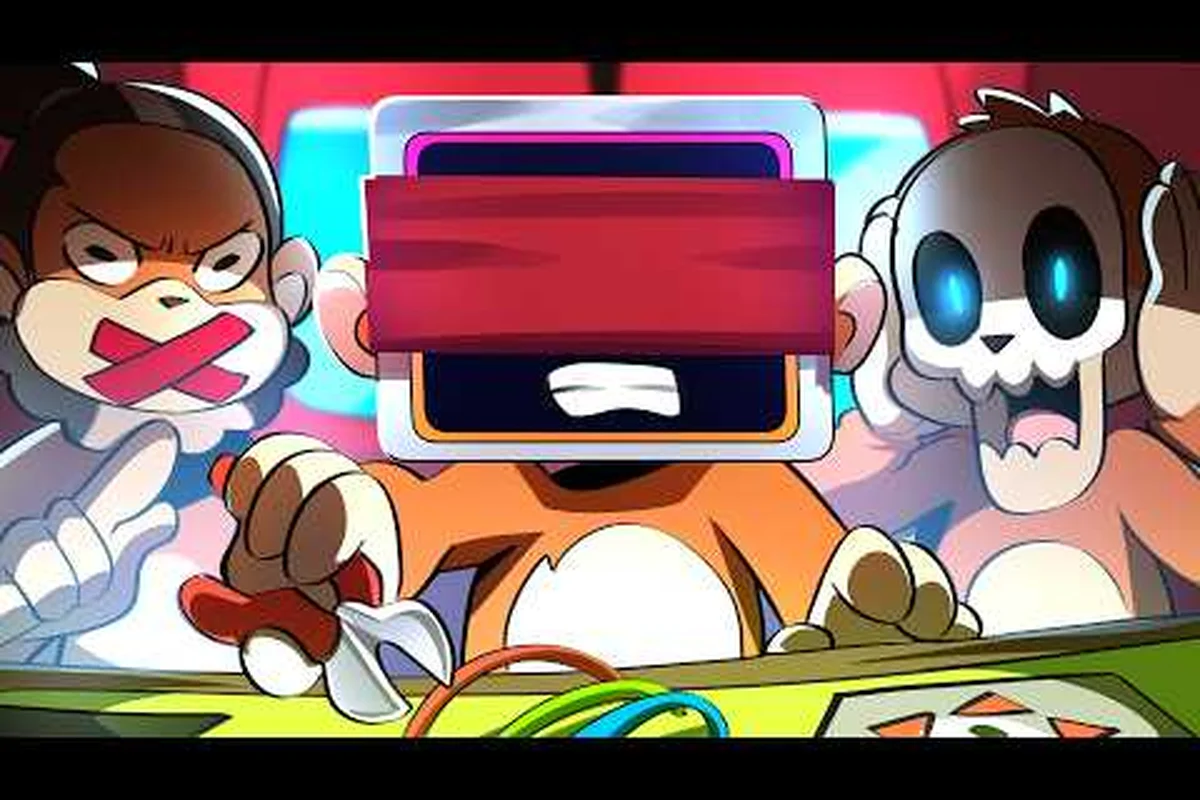
BOMBANANA! voice chat not working: fixes and fallbacks
Find quick fixes and reliable fallbacks for when your BOMBANANA voice chat is not working so your three-player monkey squad can keep communicating.
All Articles
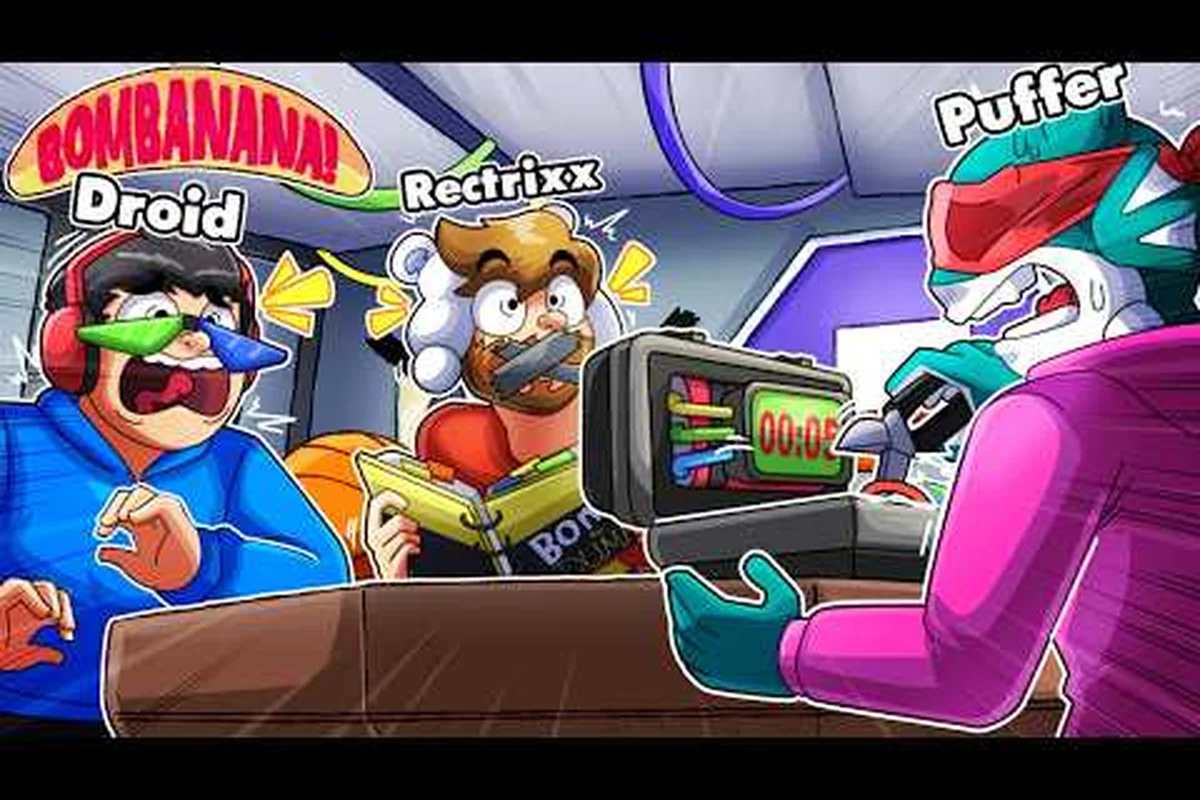
BOMBANANA! how to build a communication system that works
Learn how to build a communication system in BOMBANANA that bridges the blind, mute, and deaf roles so your team can share information flawlessly!
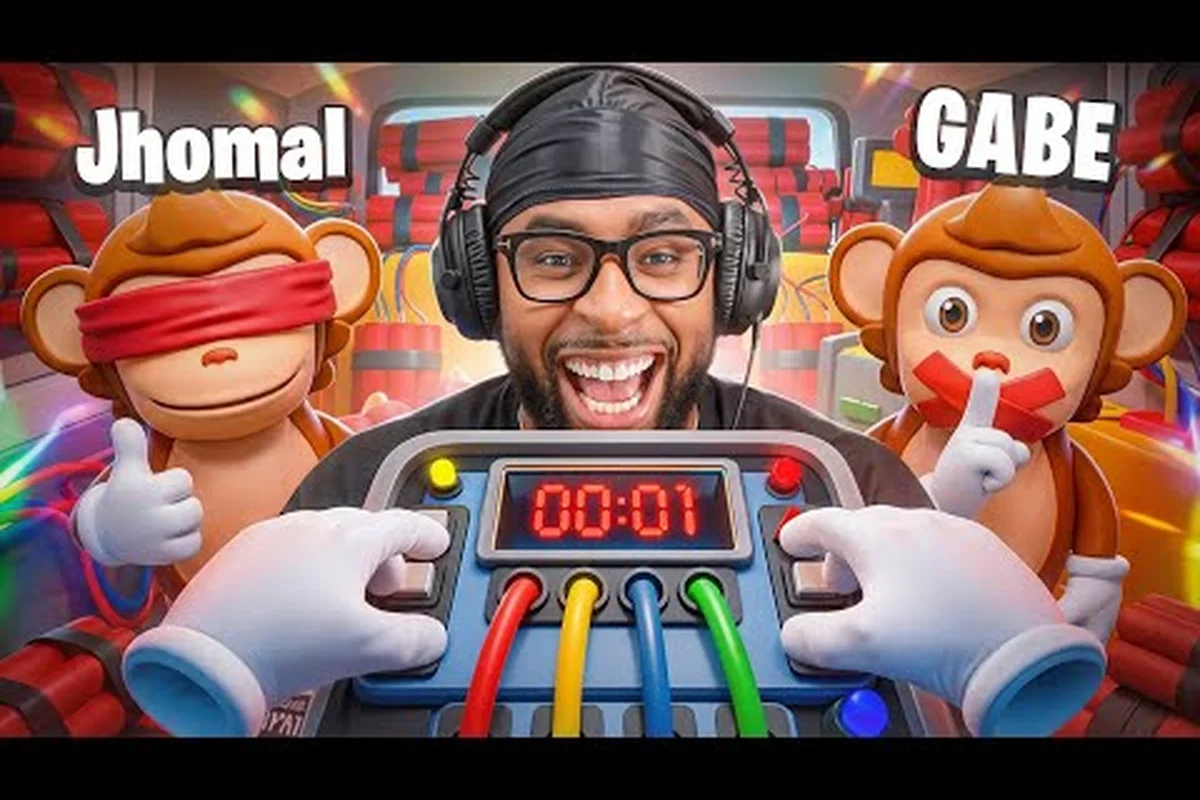
BOMBANANA! emote wheel: quick signals for better teamwork
Master the BOMBANANA emote wheel to send quick signals, coordinate defusal tasks, and improve teamwork when voice chat is unavailable or restricted.
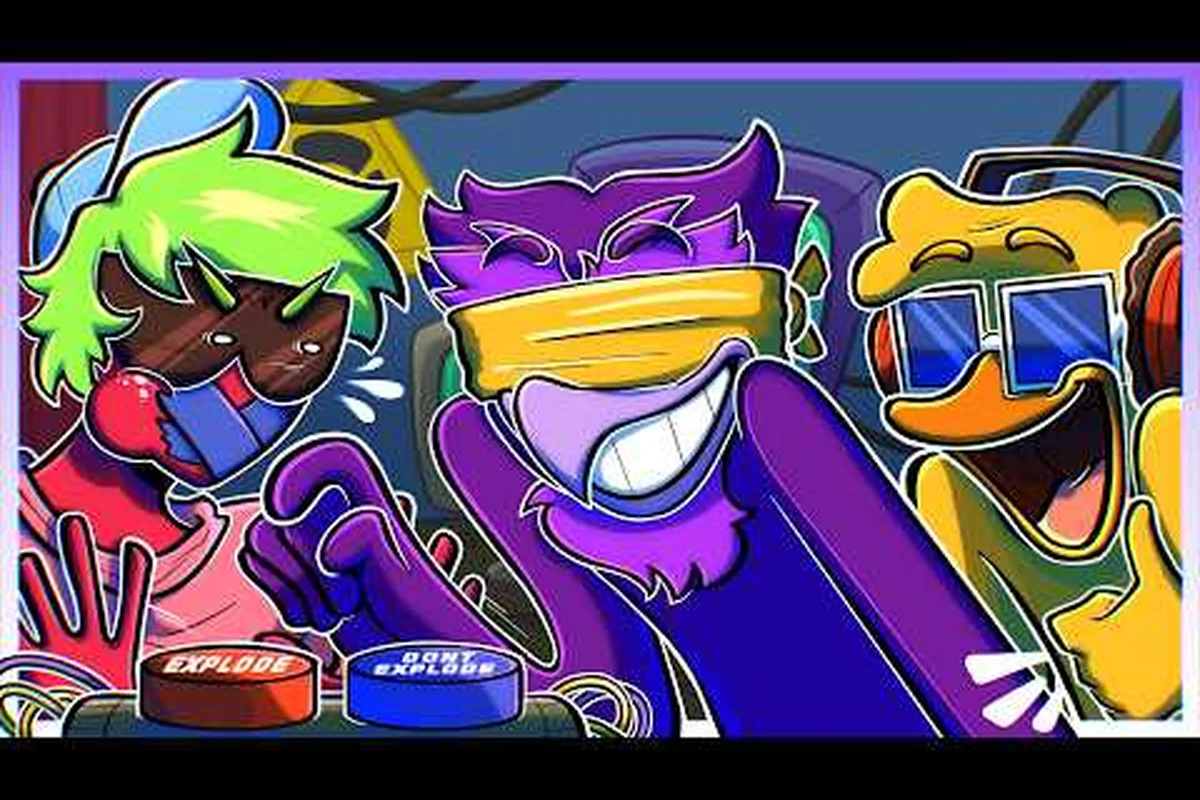
BOMBANANA! who talks in BOMBANANA: roles and banana throws
Understand BOMBANANA who talks in BOMBANANA with this role breakdown. See which monkey can speak, who hears what, and how throwing bananas becomes a vital tool.